

Rebecca Barry, MSc
Consultant
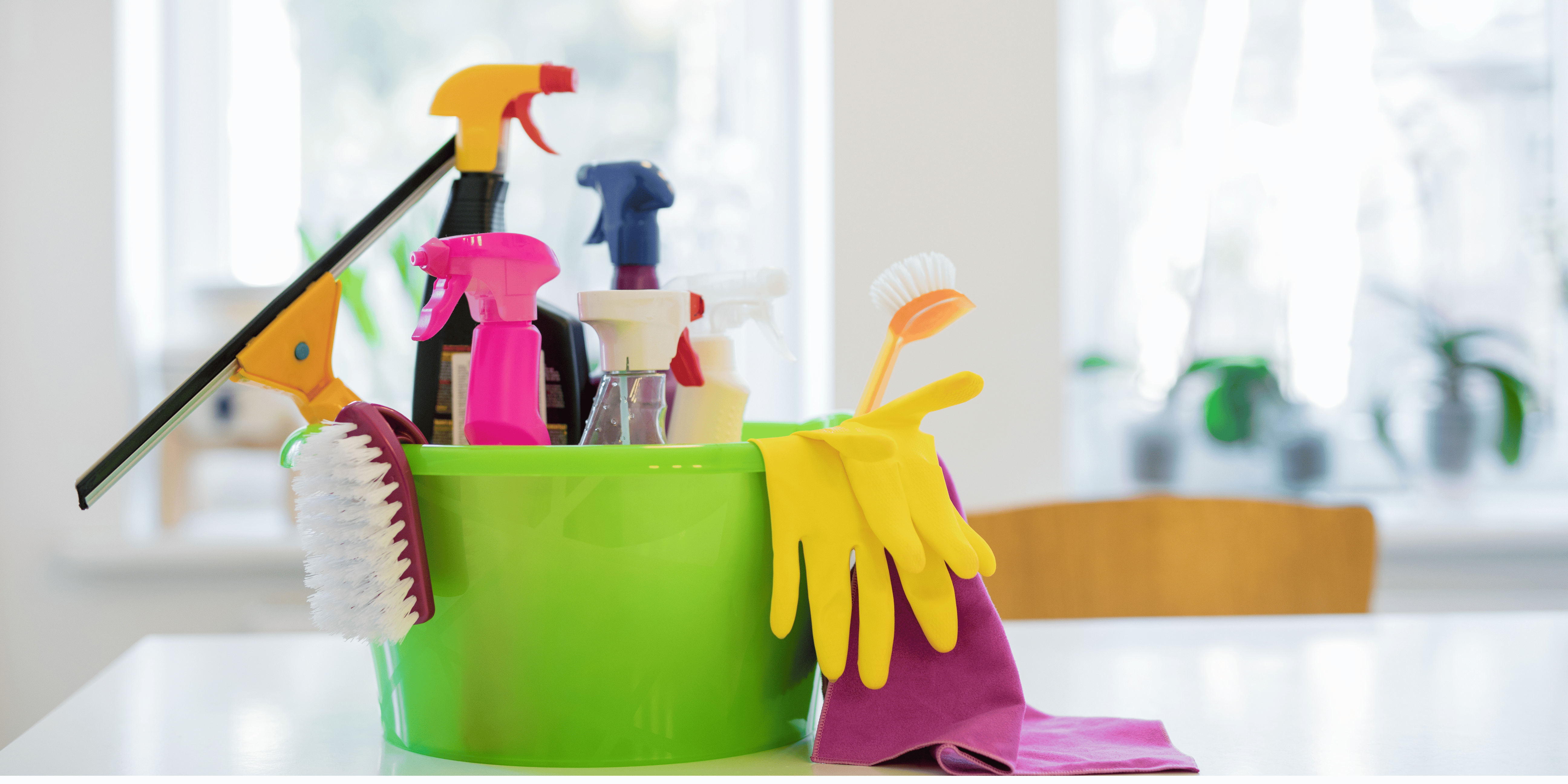
If you work in a child care program, you already know how important it is to keep spaces clean. Between spills, sticky hands, diaper changes, and the never-ending cycle of toys going into tiny mouths, cleaning is a necessity. Keeping kids safe from germs that could make them sick is vital.
However, there’s a misconception that still causes problems in many child care settings: the idea that “clean” should have a pleasing and recognisable smell. When you think of ‘clean’, what do you think of? Fresh linen? Lemon? Pine wood? We have so many different and personal associations with scent and cleanliness, many of which we probably don’t even notice!
In reality, ‘clean’ doesn’t have a smell. In fact, fragranced cleaners can actually create more problems than they solve.
Why Fragranced Products Are a Hidden Issue in Child Care
Young children are especially sensitive to what’s in the air around them. Their lungs are still developing, and they breathe faster than adults, which means they take in more of whatever is floating around the room – including fragrance chemicals. These scented products can contribute to coughing, sneezing, skin irritation, headaches, and even worsening asthma and allergy symptoms. Staff members can be affected too. Fragranced products can also contain ‘endocrine disrupting chemicals’ such as phthalates, which are chemicals that interfere with hormones, impacting normal growth and development.
One of the biggest challenges is that you never truly know what’s in a fragrance. The word “fragrance” or “parfum” on a label can represent dozens or even hundreds of unlisted chemicals. Companies aren’t required to break them down, or list the ingredients used to create the special smell. So while a cleaner might smell like lavender, that scent often comes from man-made chemicals that can linger in the air long after cleaning is finished.
And speaking of air, fragranced products can significantly worsen indoor air quality. They don’t actually eliminate odors, they just mask them.
Let’s Bust the Biggest Myth: “Clean” Should Smell Like Something
Most of us grew up seeing commercials where a sparkling kitchen came with a citrus scent or a pine-fresh breeze. But those smells have nothing to do with whether something is clean. When you smell a cleaner, you’re not smelling “clean”, you’re inhaling the cleaning product’s chemicals.
A clean surface has:
- No dirt
- No germs
- No residue
- No artificial scent
When you finish cleaning and there’s no smell at all, that’s a good thing. It means the job is done.
What Child Care Providers Can Do Instead
Choose fragrance-free products!
Look for items that specifically say “fragrance-free.” Not “unscented” – this can still include masking agents. Fragrance-free means no added scent at all.
Ventilate when possible.
We know there can be many smells in a child care facility that would be tempting to mask with fragrance. Open a window or use fans for a few minutes to ventilate the space instead.
Clean when children aren’t nearby.
This keeps them from breathing in cleaning fumes or droplets. We advocate for no aerosol cleaning products. If you need to do a deep clean, try and schedule this when children are away.
Talk to families and staff.
Explaining why your facility is fragrance-free helps create consistency.. This also avoids situations where staff or parents might use strongly scented lotions or air fresheners that undo your hard work. To avoid this, you can include your new best practices in your newsletter.
Consider a fragrance-free policy.
This can cover cleaning products, personal perfumes, laundry detergents and plug-in air fresheners.
The Benefits Add Up Quickly
Shifting to fragrance-free cleaning can make a big difference. You may notice fewer coughing fits, fewer headaches, and fewer asthma flare-ups among both staff and the children cared for. Classrooms often feel calmer when strong scents aren’t overwhelming children with sensory sensitivities.
A fragrance-free environment is about creating a healthier space for children and the adults who care for them. Join us in Busting the Biggest Myth! “Clean” Should Smell Like Nothing!