Help little lungs breathe easier with eco-healthy best practices.
Clean air is essential for healthy childhood development. This factsheet explains common child care air quality hazards and offers easy ways to reduce children's exposure.
Explore the hidden chemicals behind "fragrance" labels and find practical tips for creating healthier, fragrance-free environments for children.
Learn how common household chemicals can affect children's health and discover safer alternatives for cleaning, pest control, and everyday home care.
Find guidance for selecting a portable air cleaner to help improve indoor air quality and protect children from airborne pollutants.
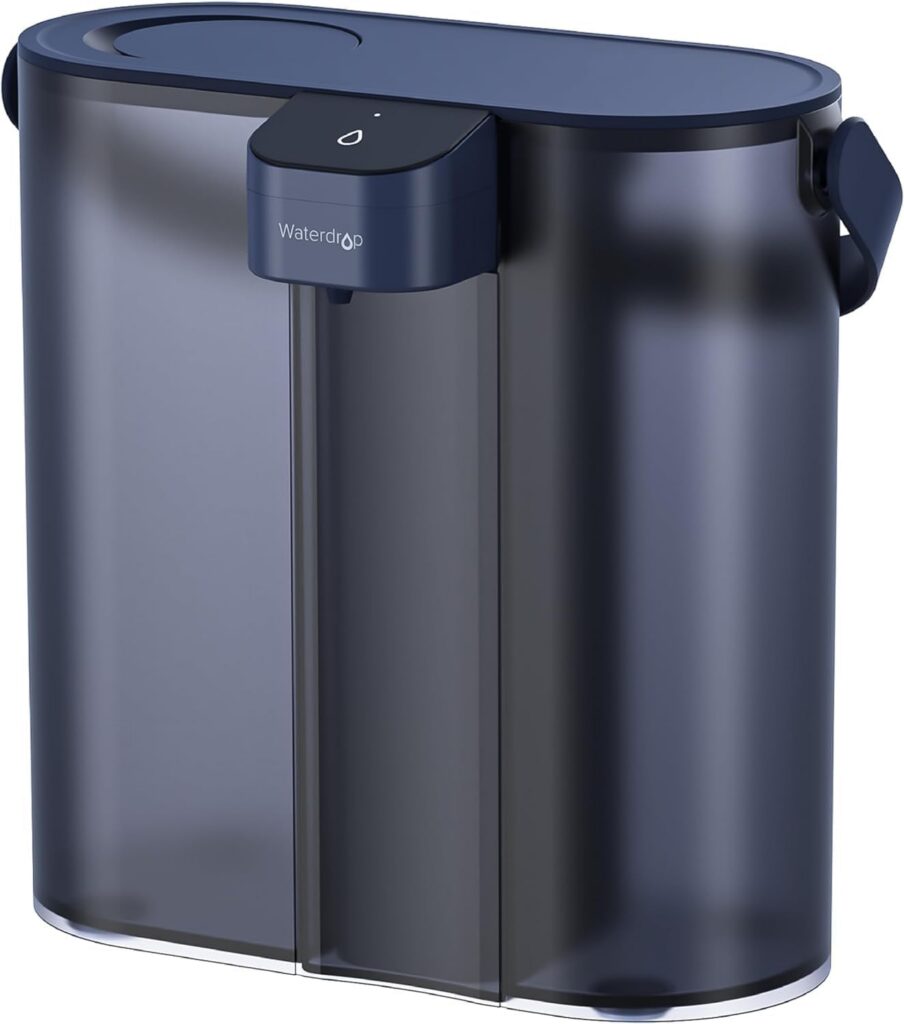
| Certification | NSF/ANSI 42, 53, 401 & 372 Certified |
|---|
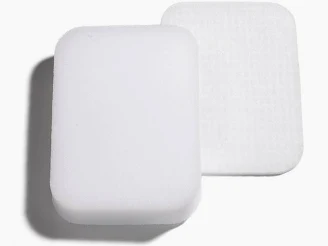
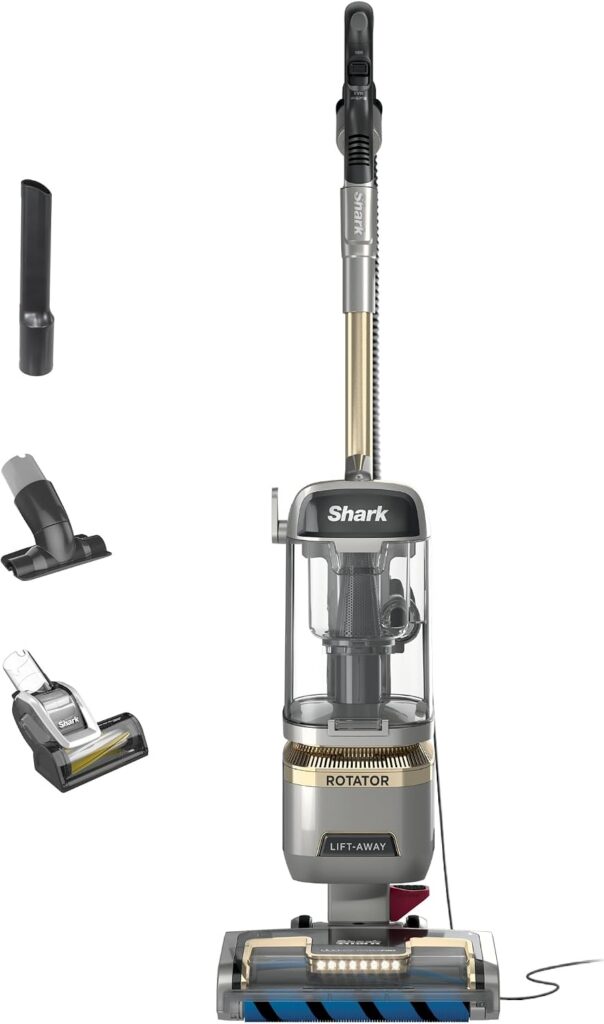
| Certification | HEPA Filter |
|---|
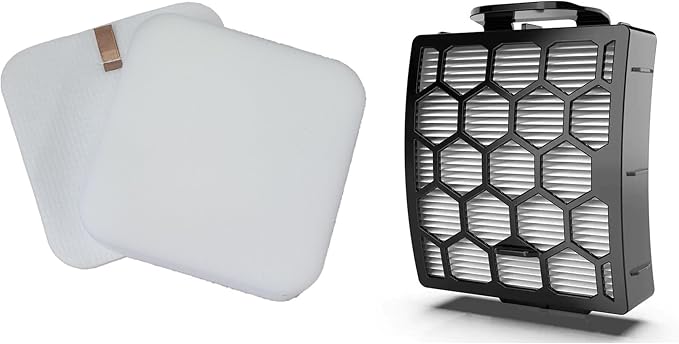
| Certification | HEPA Filter |
|---|
| Certification | HEPA Filter |
|---|
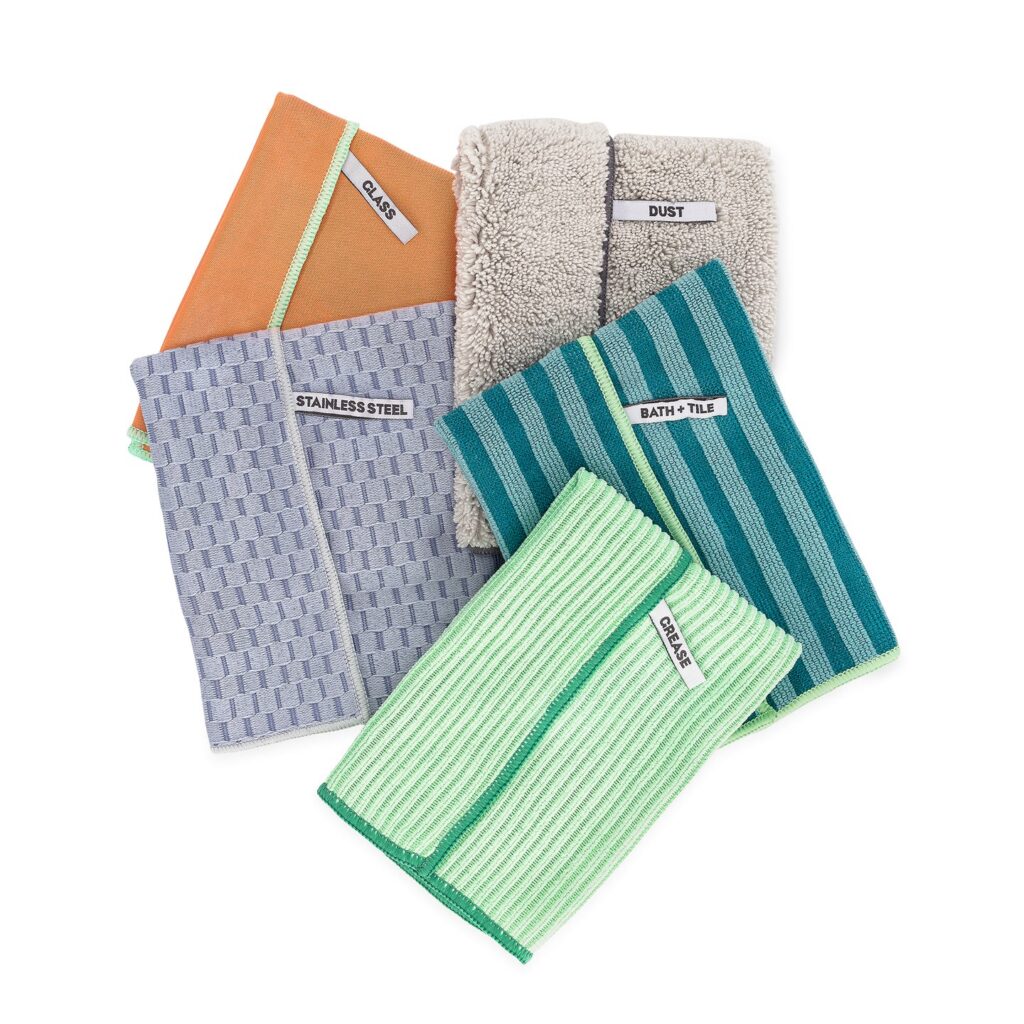
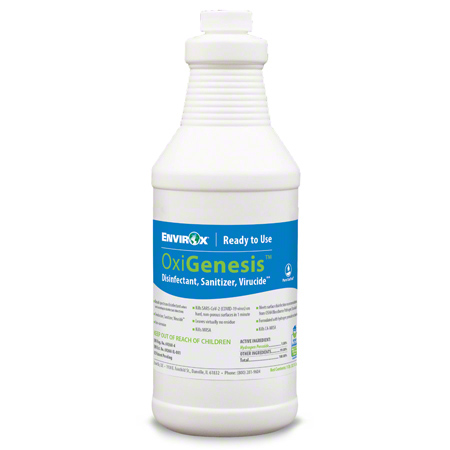
| Certification | EPA Design for the Environment |
|---|
EHCC is the only national program working for over 17 years to deliver technical assistance, training, and resources to child care professionals on reducing environmental hazards within child care settings. The EHCC program’s goal is to identify common toxicants found within and around child care facilities (Head Start, Early Head Start, family child care, and center-based facilities) and reduce or all together prevent adverse health effects from exposures.