
Noise Pollution Factsheet
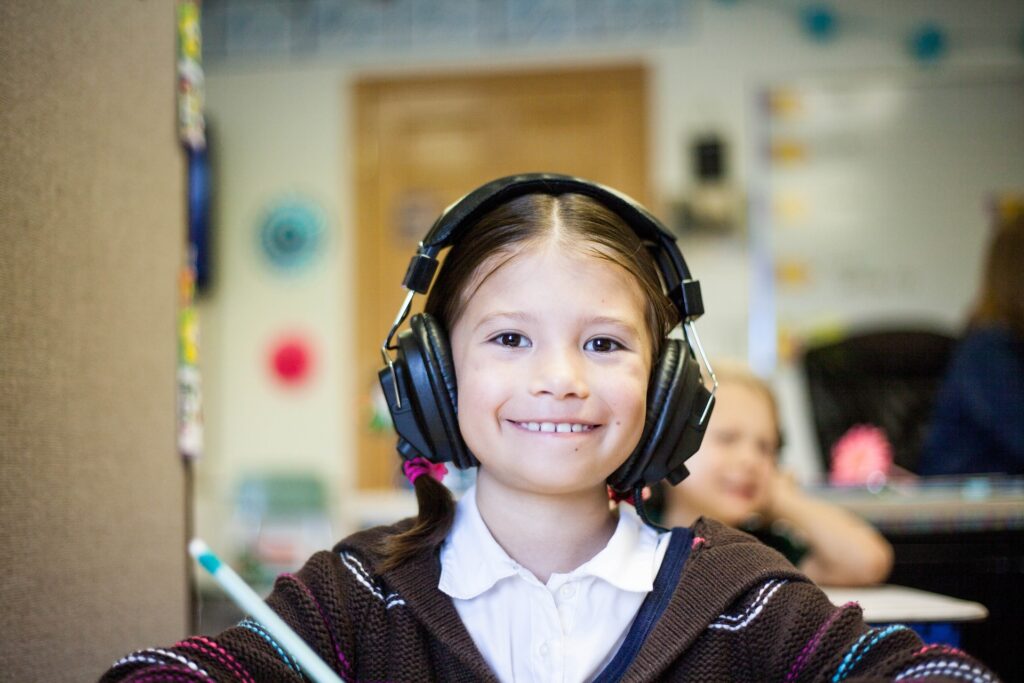
Noise pollution harms children’s learning, hearing, and health. Quiet spaces support focus, language skills, and lower stress for better development.
Making Celebrations Healthy Factsheet
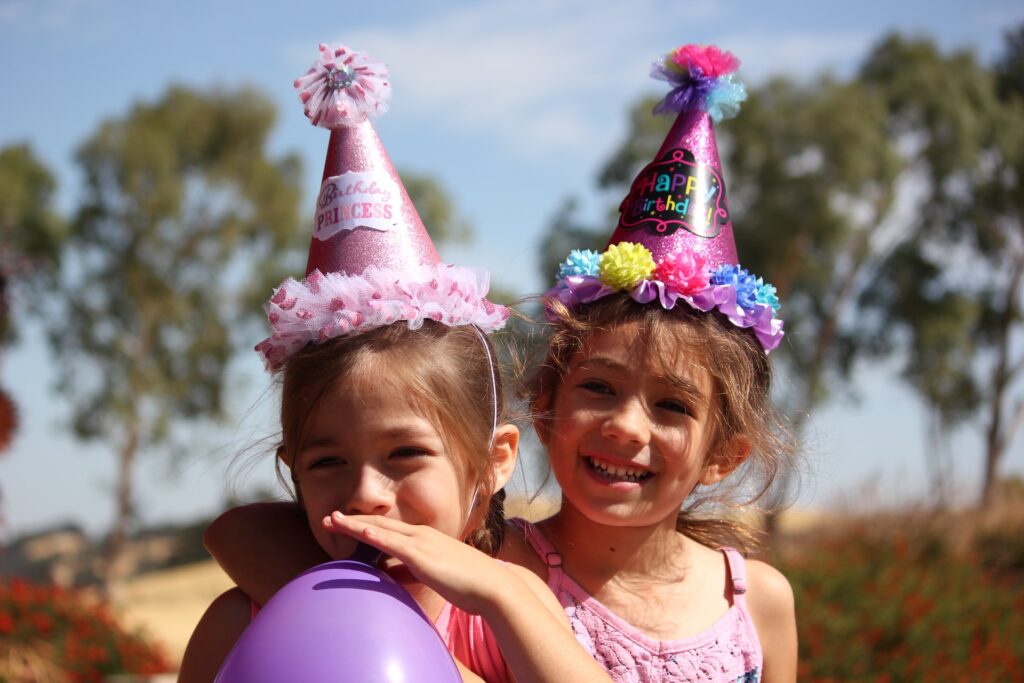
Make celebrations fun and healthy with eco-friendly tips, non-food treats, and nutritious snacks to reduce kids’ exposure to toxic chemicals.
Improving Nutrition and Promoting Healthier Habits Eco-Healthy FAQ
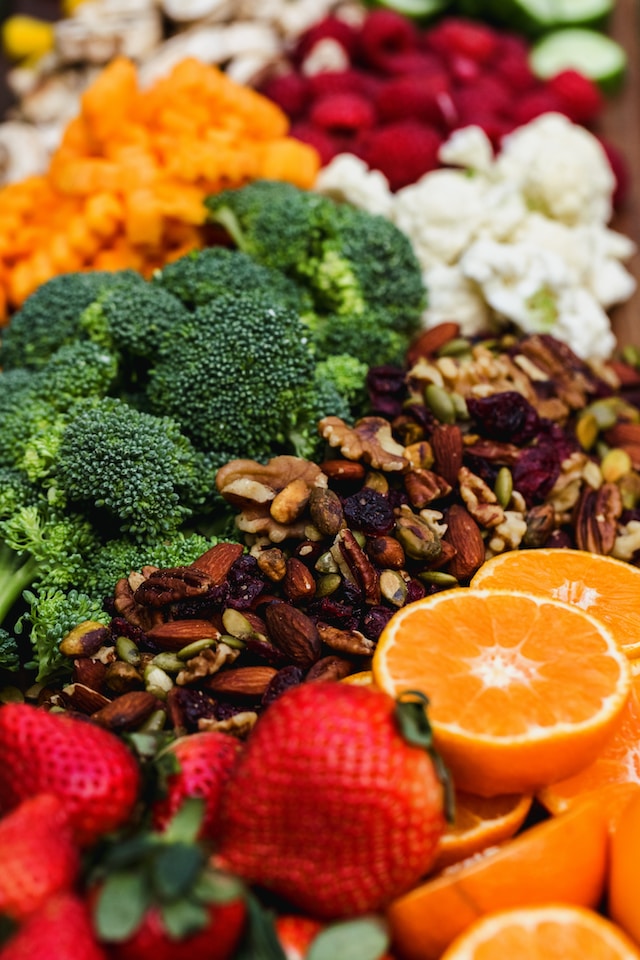
Learn how to promote healthy eating and active play in child care with safer foods, daily movement, and eco-friendly practices that support child development.
Household Chemicals Factsheet

Many household chemicals can be toxic to our health and environment. It is important to learn how to reduce kid’s exposure to toxic chemicals in our air, surfaces, and cleaning products.
Furniture and Carpets Factsheet

Toxic chemicals in furniture, carpets, and flooring can harm children’s health. Reduce exposure by choosing safer materials and improving ventilation.
Built Environment Factsheet
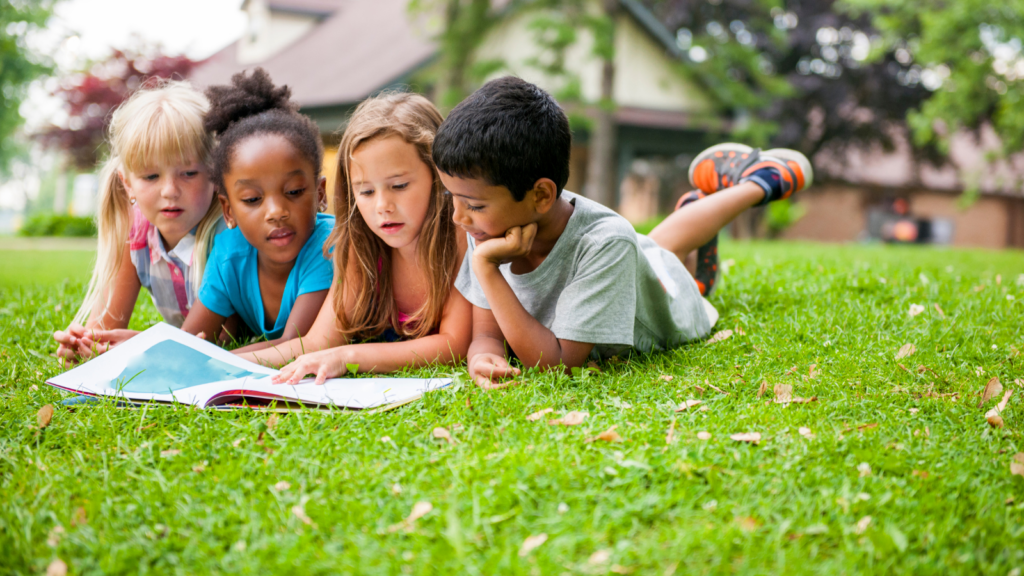
The built environment impacts kids’ health—safe, green spaces and well-maintained child care sites promote learning, activity, and reduce pollution risks.
Asbestos Factsheet
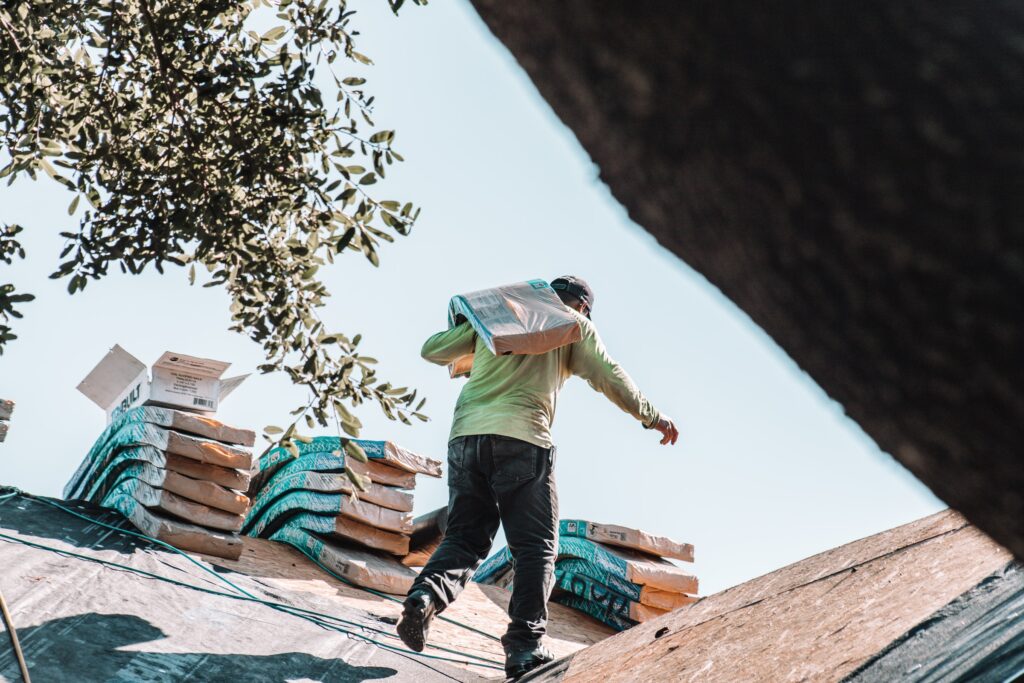
Asbestos is a mineral fiber found in many old building materials, and exposure risks lung disease, especially in children. Learn about ways to test, avoid contact, and reduce exposure.
Arsenic Factsheet
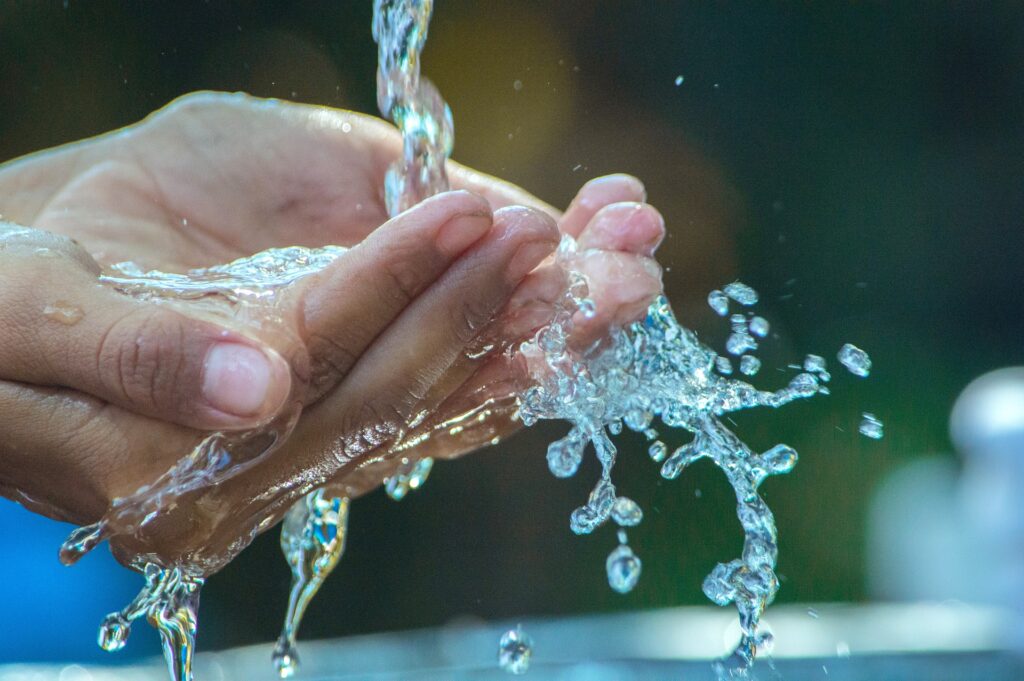
Arsenic is a toxic chemical often found in old treated wood, water, and baby food that poses health risks; Learn how to test, seal, filter, and avoid exposure to protect children and families.
Safer Ways to Disinfect Child Care Facilities: Covid 19-Part 2
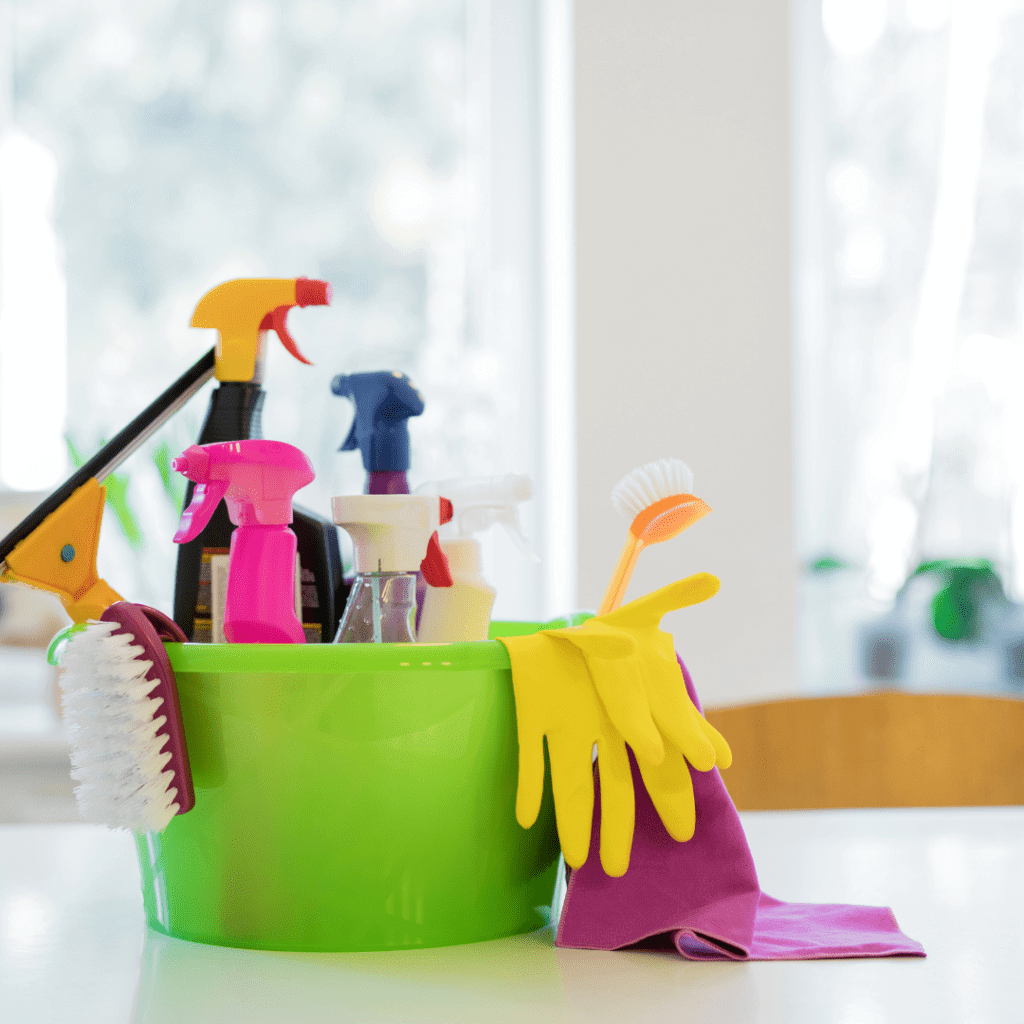
Toxic ingredients in cleaning and disinfectant products can impact indoor air quality. Discover safer products and cleaning methods to protect children’s health in child care settings.
Safer Arts and Crafts Supplies Factsheet

Discover safer art and craft supplies to protect children’s health in child care settings with this trusted resource from Eco-Healthy Child Care.