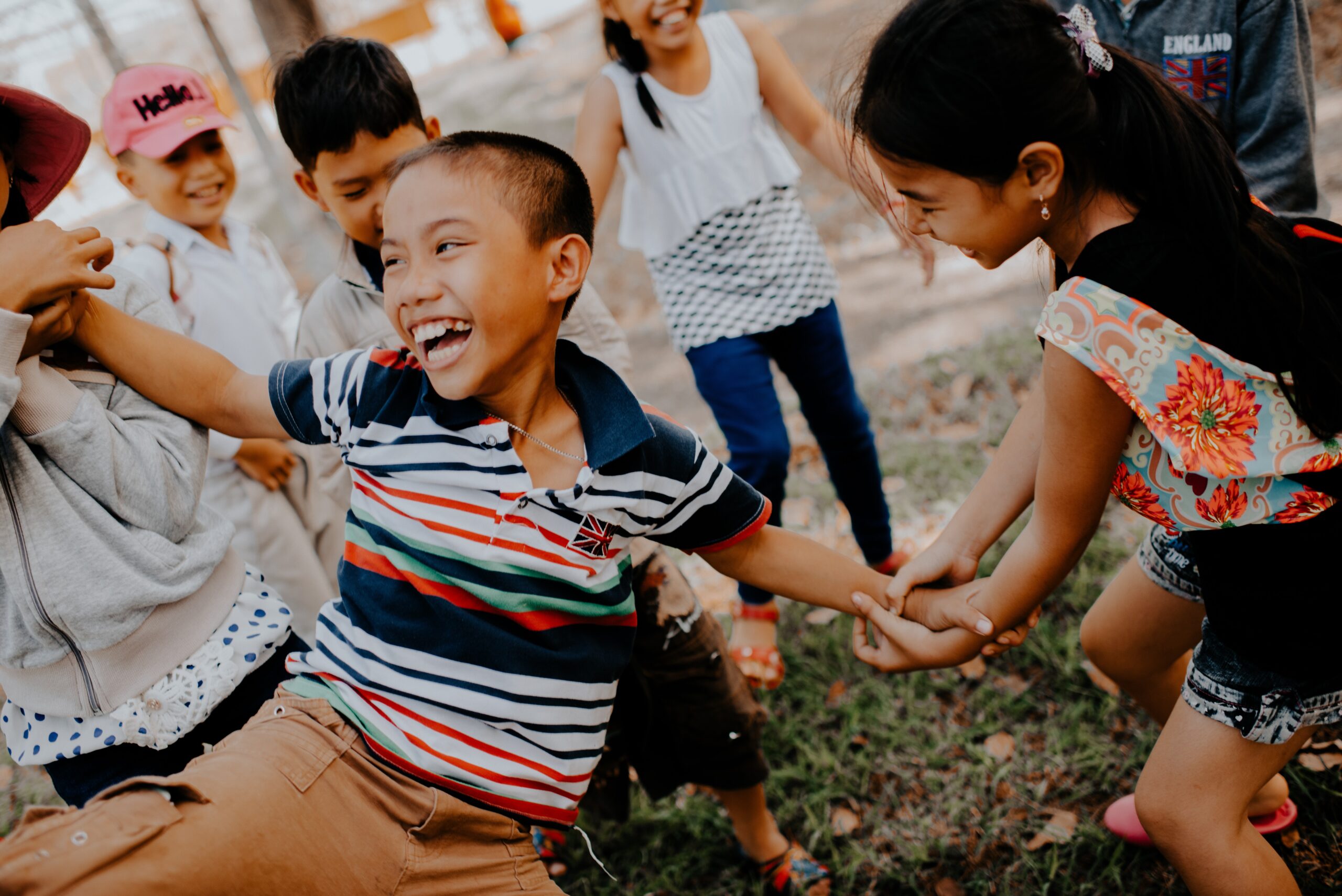
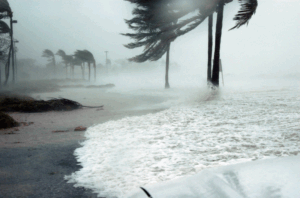
Globally, children are estimated to bear 88% of the burden of disease due to climate change. Children of color and those living in poverty are disproportionately affected by climate-related diseases and the other impacts of climate change, such as displacement, injury, heat illness, trauma and mental health effects. They are often hit first and worst due to existing environmental and socio-economic injustices.
Climate action that addresses the socio-economic, racial, and environmental inequities, the disproportionate impacts of climate change, and the need for just and equitable climate solutions is called climate justice.
In the US, the majority of energy used goes toward generating electricity and heat and to fueling our planes, trains, ships, and automobiles. Most of the energy consumed for these purposes comes from fossil fuels (oil or petroleum, natural gas, and coal).
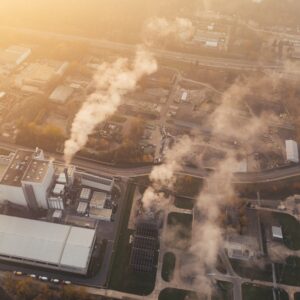
Fossil fuels pose significant dangers to children’s health due to their harmful emissions and pollutants. Burning fossil fuels releases toxic air pollutants such as sulfur dioxide, nitrogen oxides, and particulate matter into the air, which can trigger respiratory issues in children. Additionally, fossil fuel combustion releases greenhouse gasses (GHGs) such as carbon dioxide and methane that contribute to climate change.
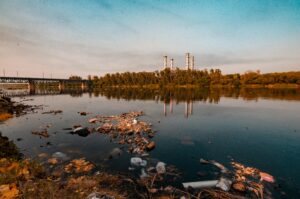
The use of these energy sources also creates air and water pollution at every step of the process–from exploration and extraction, to transport and combustion. Children living near or along these sites face a number of health harms due to this dirty energy production. A disproportionate number of those impacted are children of color or children from families with lower wealth .
These families tend to pay a higher percentage of their income towards energy than White families and families with higher incomes. Because of this, they are more likely to be energy insecure. Energy-insecure families may be unable to keep their homes warm, cool, or well-lit, or they may make sacrifices in other areas of their budget in order to pay their energy bills.
In addition, the consumption of predominantly wealthy White communities drives a disproportionate amount of GHG and co-pollutant emissions, yet people of color disproportionately suffer from the impacts of these emissions.
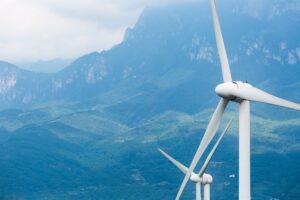
A just transition to cleaner, renewable energy sources, like wind and solar, is essential to safeguarding the well-being of our children and ensuring a healthier future for them. Energy should be accessible, affordable, clean, and democratically managed for all communities. It is crucial that energy and climate solutions be equitable so as not to put any community at risk over another.

Supporting policies that:
Providing technical assistance:
CEHN is a proud founding member of the Climate Equity Collaborative™ (CEC), a public-private partnership that engages nontraditional partners in climate innovation and climate action. Our aim is to engage at the systems-level by centering our initiatives on climate education, children’s environmental health, and environmental justice, and to construct more on-ramps to the global climate conversation by building impactful partnerships.
While the problems stemming from climate inequity are vast, the CEC is focused on opportunities for children (K-12), college-aged and pre-career youth from underserved groups which are not sufficiently engaged and historically under-resourced in the climate conversation, STEM learning, public health decision-making, and job opportunities.
We assist our corporate partners to build programs which address net-zero commitments; future workforce needs; environmental, social, and corporate governance (ESG); and equity in our changing global climate.