
Heavy Metals in Food Eco-Healthy FAQ

Heavy metals in food can be harmful to brain development and overall health. Learn how to reduce children’s exposure by choosing safer foods, water, and fish.
Safer Sunscreen Use Eco-Healthy FAQ

The sun’s UV radiation can burn skin and cause skin cancer. It is important to practice good sun safety for you and your children while outdoors and enjoying the weather.
Playground Surfaces Eco-Healthy FAQ

Playground surfaces vary in safety; some may contain toxins or allergens. Choose safer materials, follow guidelines, and ensure that kids wash hands after play.
Pet Allergens Eco-Healthy FAQ

Pets can benefit kids but may trigger allergies or transmit disease. Choose pets wisely, keep them clean, and reduce allergens with HEPA filters and hygiene.
Mercury Eco-Healthy FAQ

Mercury is a toxic metal that harms the brain, nerves, and organs. Avoid mercury products, eat low-mercury fish, and dispose of mercury items safely.
Flooring and Carpeting Eco-Healthy FAQ

It is important to consider whether flooring materials contain/emit chemicals that are harmful to human health. Avoid materials with VOCs. Consider solid wood, bamboo, cork, or linoleum.
Wireless Radiation Eco-Healthy FAQ

Cell towers, cell phones, and WiFi all release radio frequency (RF) waves. High levels of RF waves can cause tissues to heat up, which has been linked to cancer. Learn how to reduce exposure.
Sun Safety Eco-Healthy FAQ

Being out in the sun can cause UV radiation exposure. Use mineral sunscreens, avoid chemical filters and sprays, dress for sun protection, and plan outdoor time to limit harmful UV exposure.
Styrofoam & Safer Alternatives Eco-Healthy FAQ
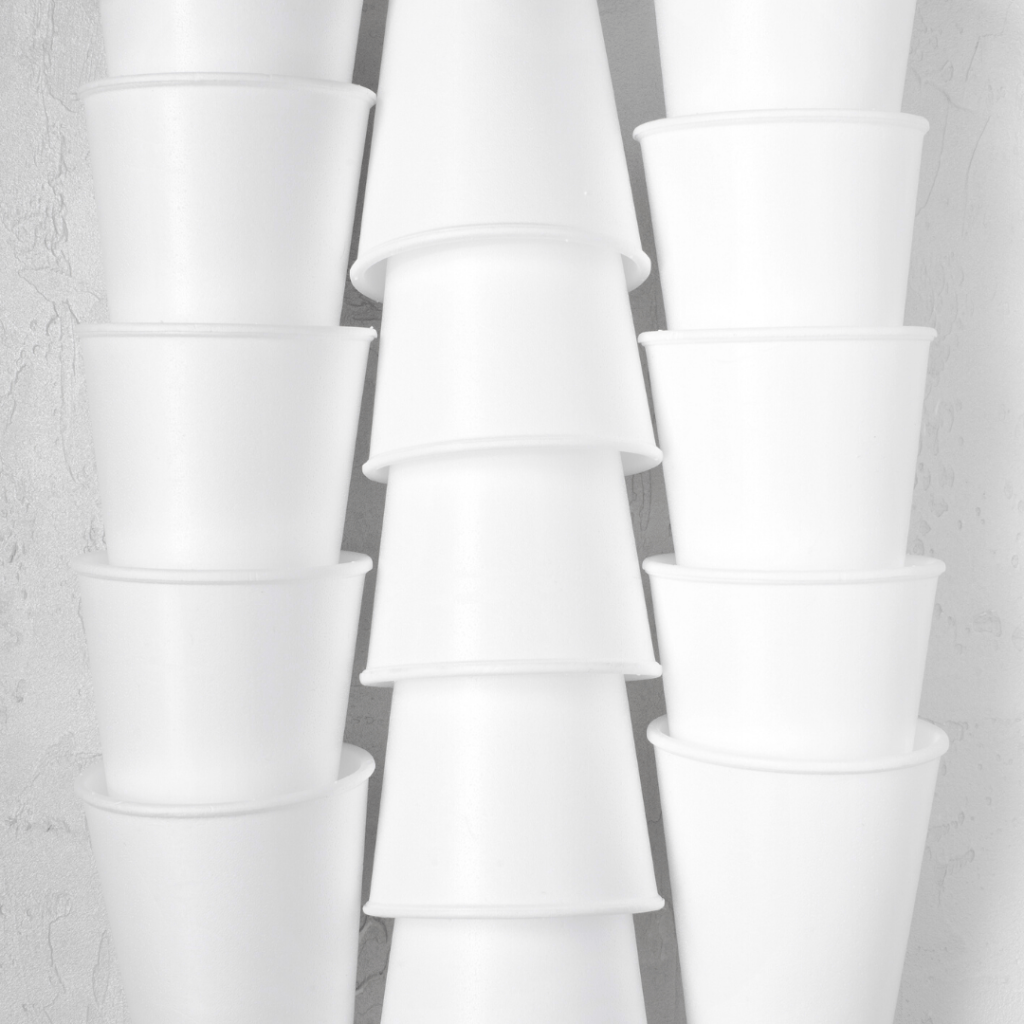
Polystyrene foam, a material used in disposable food and beverage containers, has been identified as a human carcinogen (cancer causing). Learn how to avoid contact and use safer products.
Reduce, Reuse, and Garbage Storage Factsheet

Practice reducing waste and protecting our health by reusing materials, avoiding disposables, composting, recycling, and keeping garbage areas clean and pest-free.