
Improving Nutrition and Promoting Healthier Habits Eco-Healthy FAQ
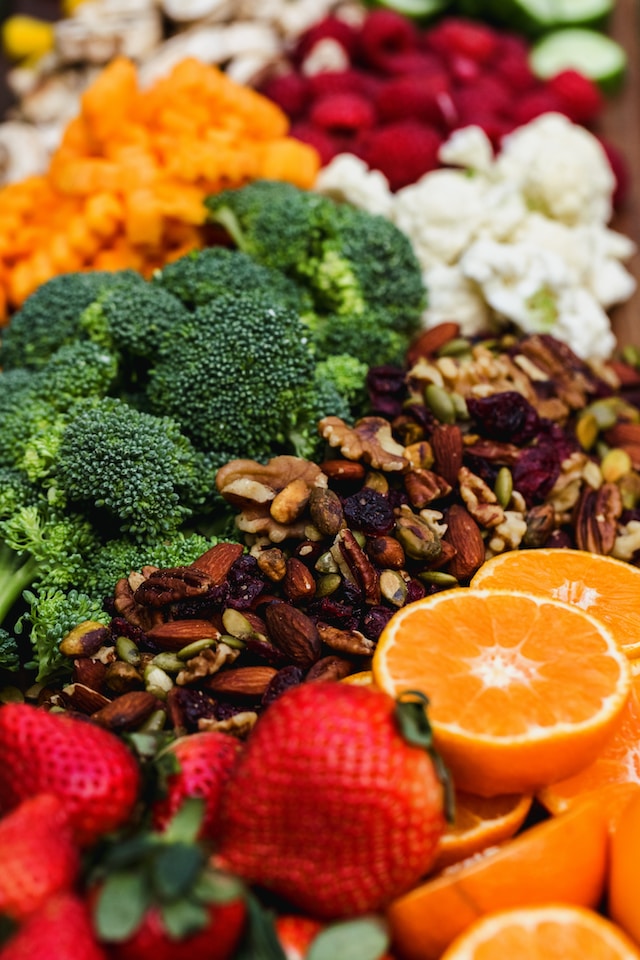
Learn how to promote healthy eating and active play in child care with safer foods, daily movement, and eco-friendly practices that support child development.
PVC Dolls Eco-Healthy FAQ
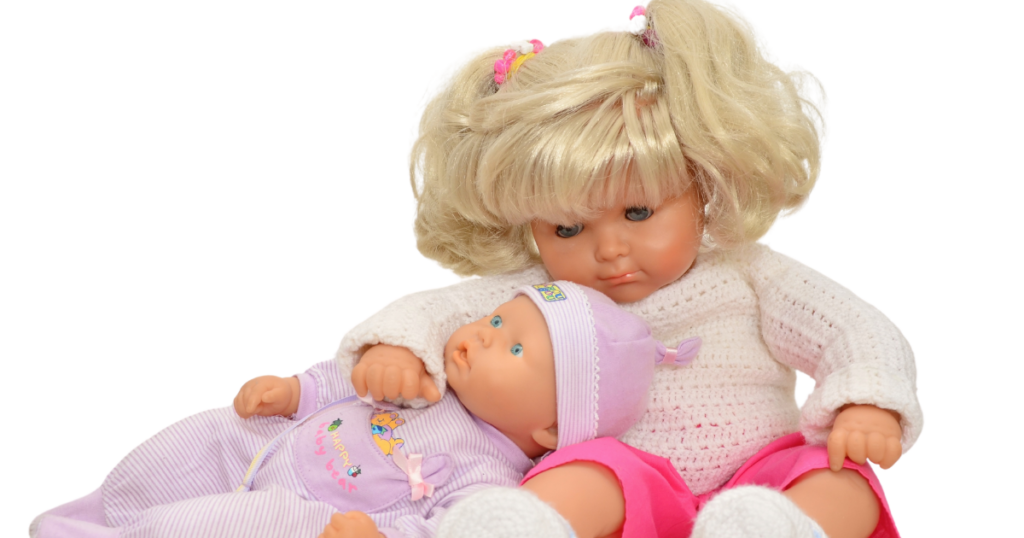
Learn about PVC Dolls and children’s health risks, plus safer, PVC-free toy alternatives.
PFAS in Child Care Eco-Healthy FAQ
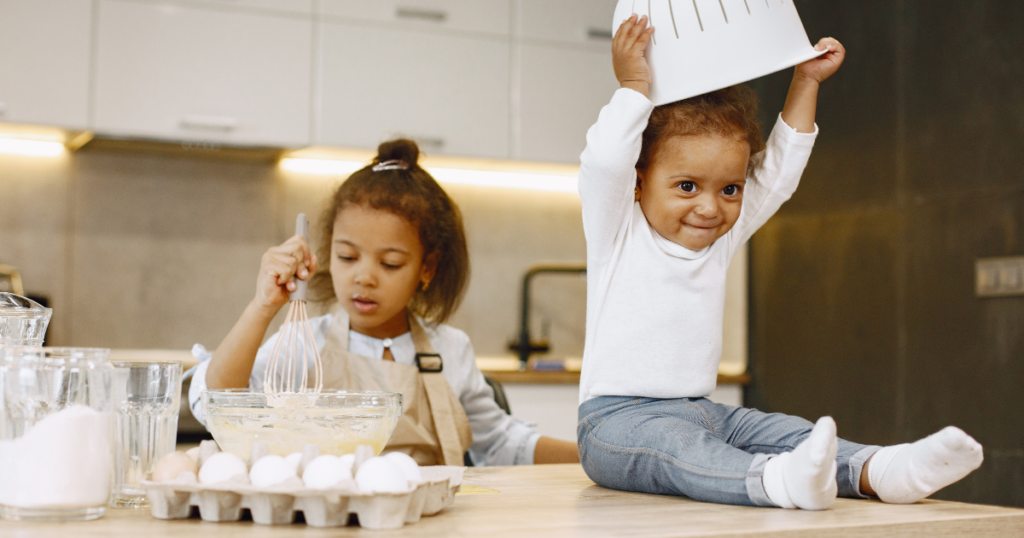
Learn how PFAS in child care impact children’s health, where they’re found, and how to reduce exposure with safer, eco-friendly solutions.
Safer Food Packaging & PFAS Eco-Healthy FAQ
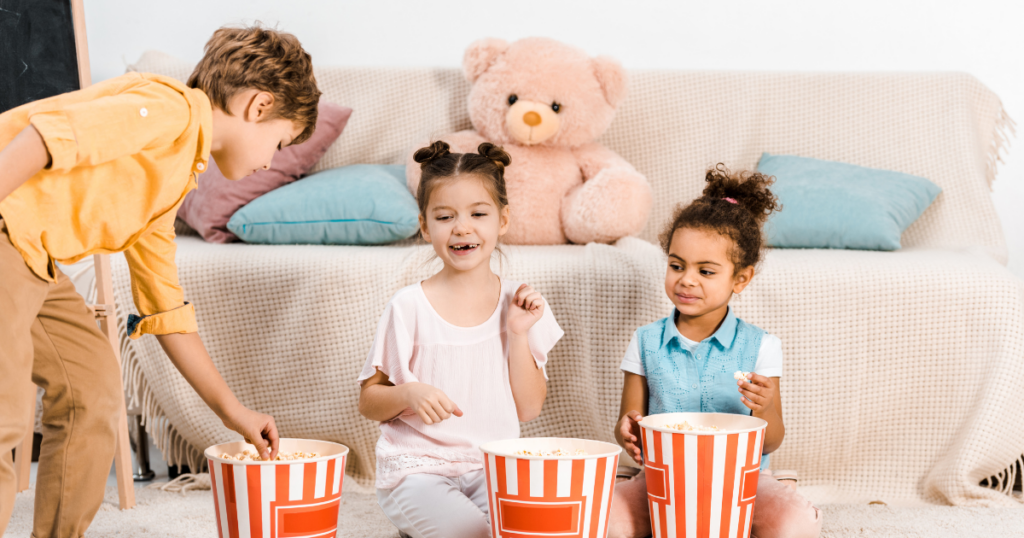
Safer Food Packaging means making choices to reduce kids’ exposure to PFAS- harmful chemicals used to make consumer products grease and water-resistant.
Hand Dryer Factsheet
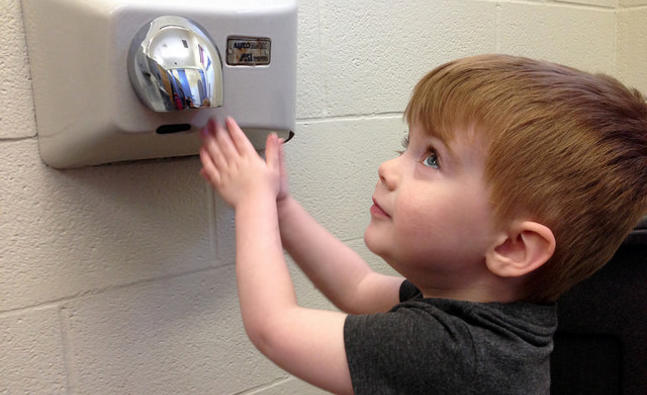
What’s the healthier and more environmentally friendly tool for kids drying hands- hand dryers or paper towels? Learn more in this Eco-Healthy Child Care FAQ.
Fragrances Eco-Healthy FAQ
“Fragrance” is a loosely regulated term covering many harmful chemicals. Eliminating fragrances in child care helps protect children’s health.
Nap Mat and Crib Mattress Hygiene Eco-Healthy FAQ
Babies and young children typically sleep 12-15 hours per day. Good nap mat and crib mattress hygiene means safer sleep and healthier, happier kids.
Climate Change & Child Care Eco-Healthy FAQ
The interaction of climate change and child care can impact kids’ health. This FAQ covers essential actions child care providers can take to reduce the impacts of climate change on the kids in their care.
Chemicals in Crib Mattresses and Nap Mats Eco-Healthy FAQ
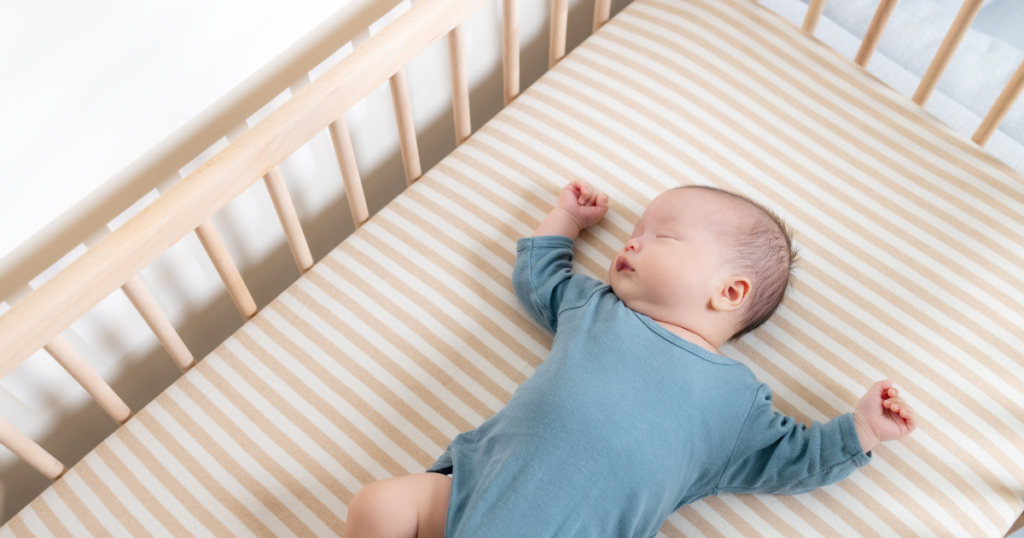
Infants and young children can be exposed to high levels of chemical emissions from crib mattresses and nap mats while they sleep.
Bug Repellent Eco-Healthy FAQ
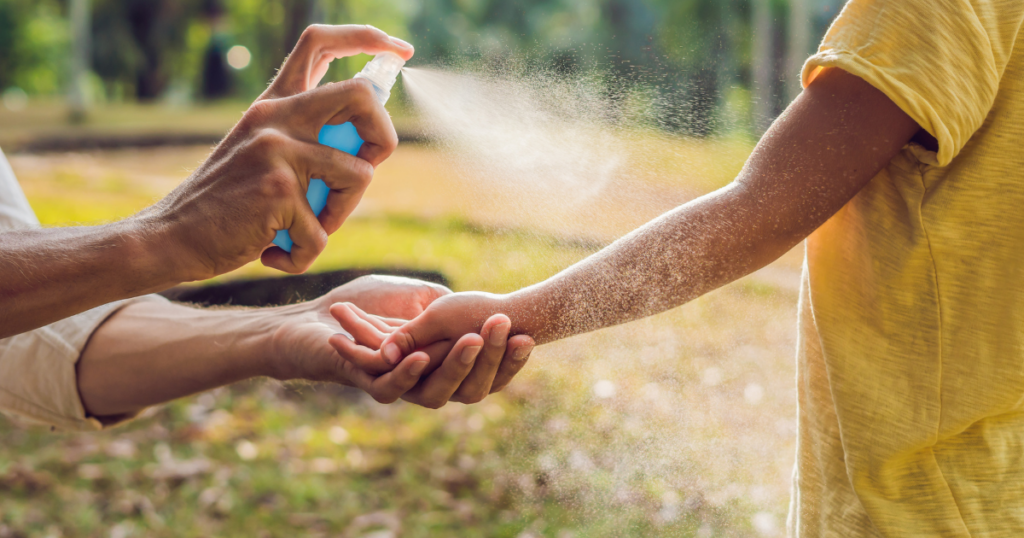
Protecting kids from bug bites the Eco-Healthy way means using fewer harmful chemicals and prioritizing children’s environmental health.