
Nap Mat and Crib Mattress Hygiene Eco-Healthy FAQ
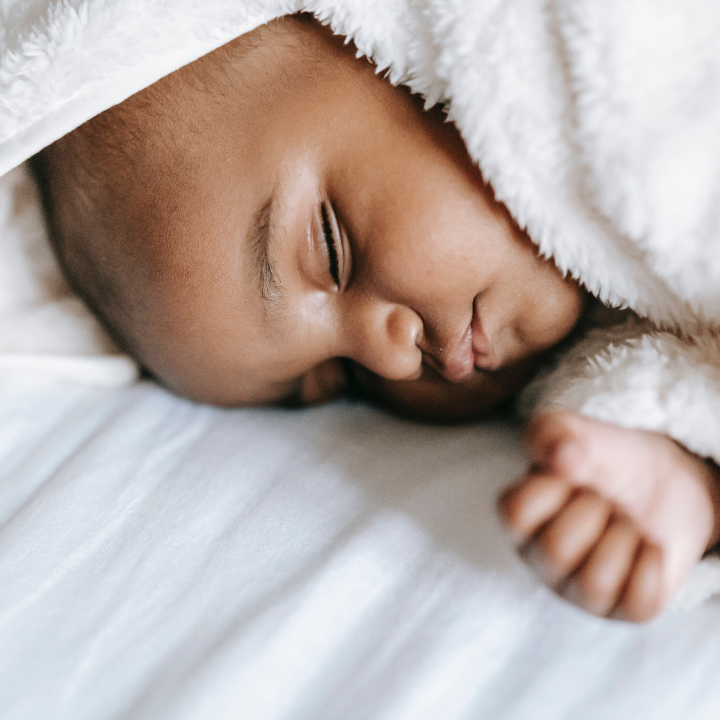
Babies and young children typically sleep 12-15 hours per day. Good nap mat and crib mattress hygiene means safer sleep and healthier, happier kids.
Climate Change & Child Care Eco-Healthy FAQ
The interaction of climate change and child care can impact kids’ health. This FAQ covers essential actions child care providers can take to reduce the impacts of climate change on the kids in their care.
Chemicals in Crib Mattresses and Nap Mats Eco-Healthy FAQ
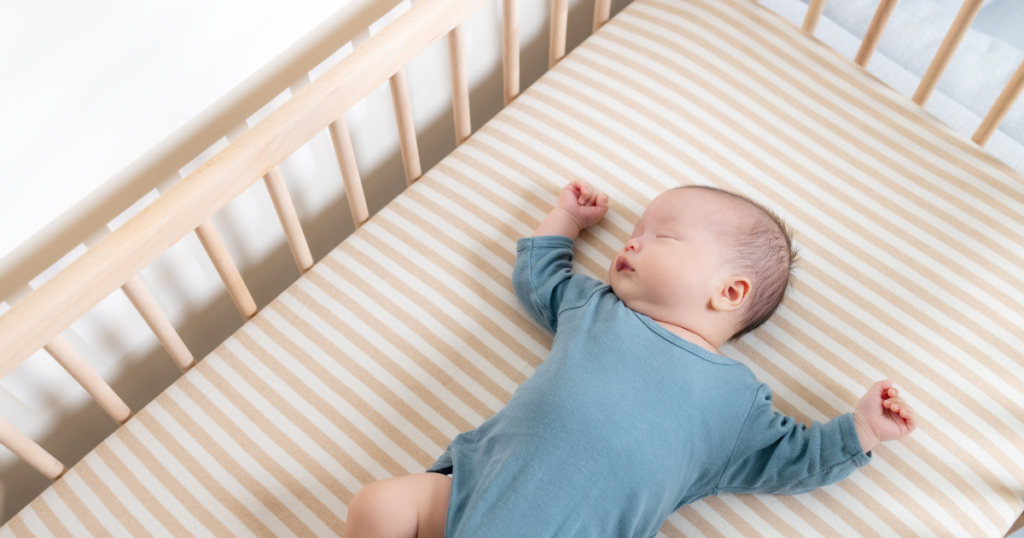
Infants and young children can be exposed to high levels of chemical emissions from crib mattresses and nap mats while they sleep.
Bug Repellent Eco-Healthy FAQ
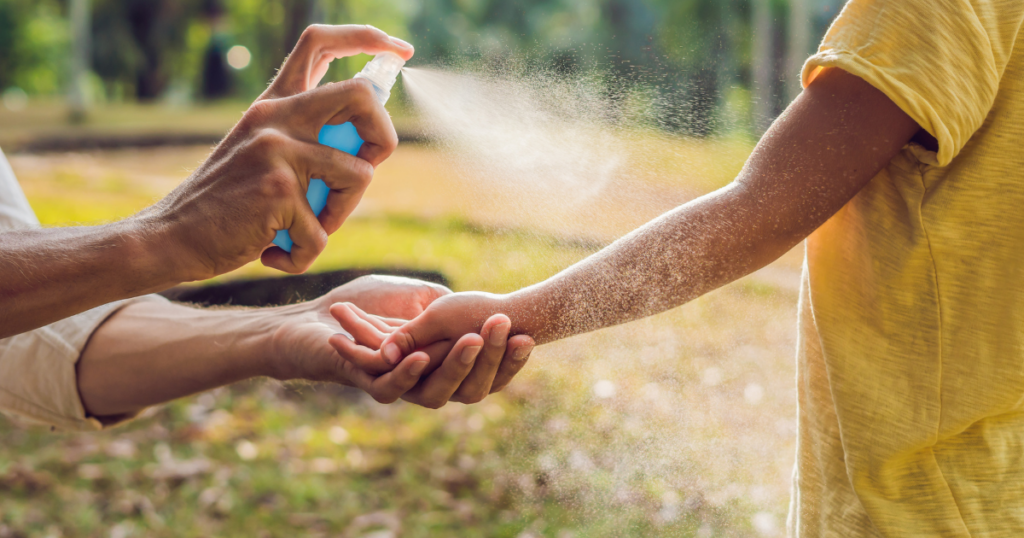
Protecting kids from bug bites the Eco-Healthy way means using fewer harmful chemicals and prioritizing children’s environmental health.
Safer Food Packaging & BPA Eco-Healthy FAQ
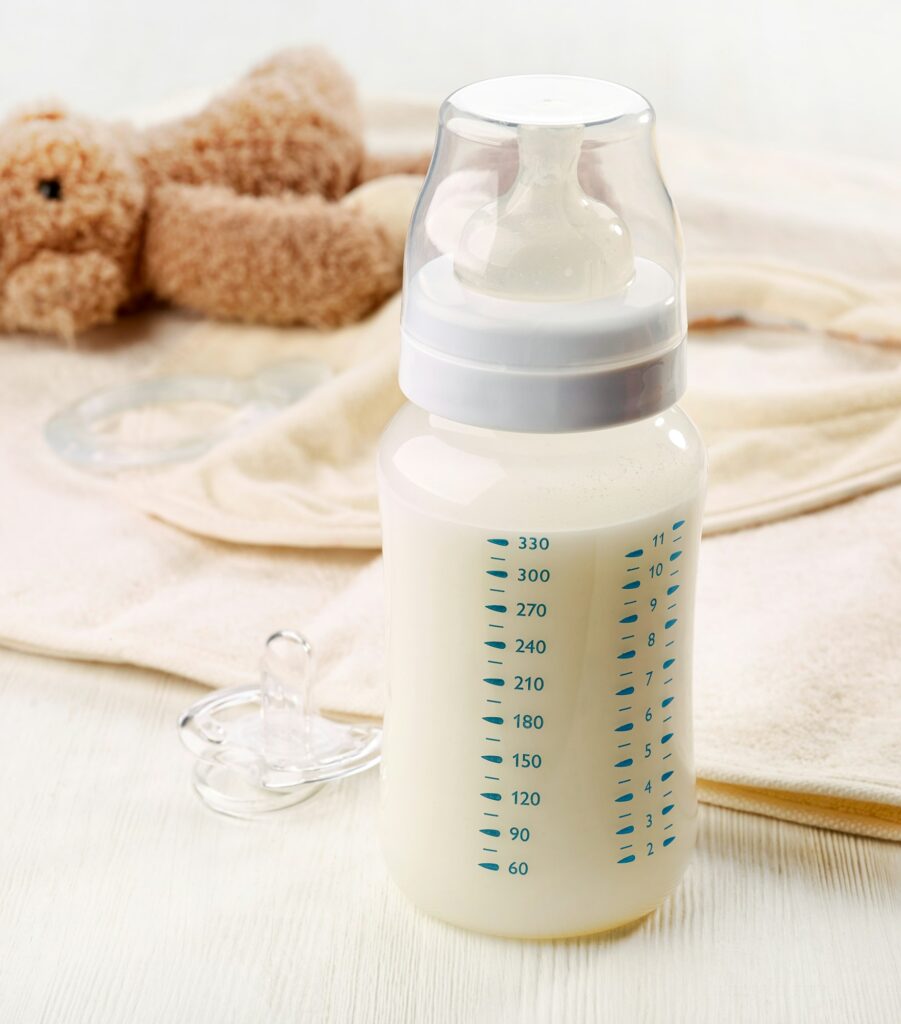
BPA is found in some baby bottles, sippy cups and food packaging. Safer food packaging can reduce exposure to this chemical that can hurt children’s health.
Artificial Turf & Crumb Rubber Eco-Healthy FAQ
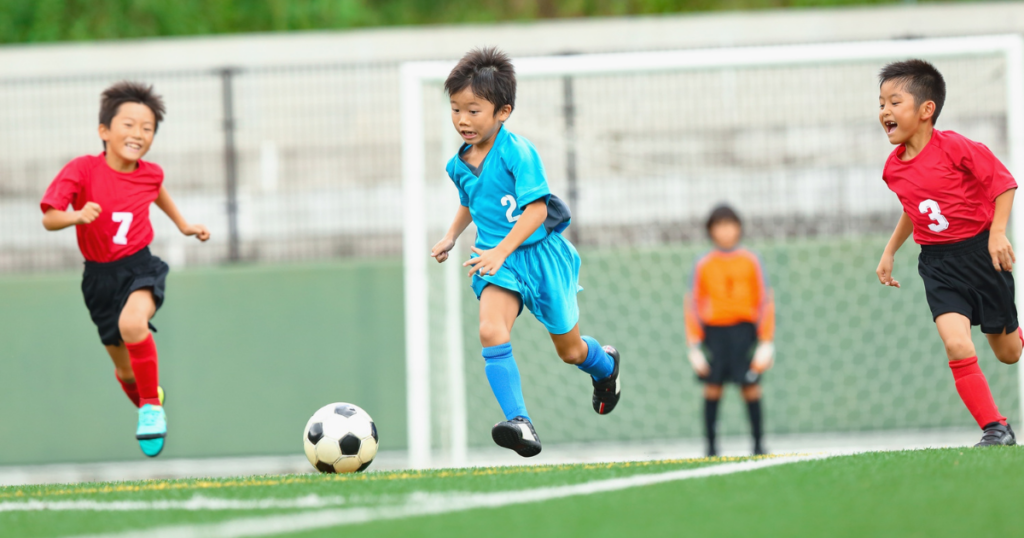
Artificial turf and crumb rubber in play areas can expose children to harmful chemicals
The Village Preschool -February 2025 Spotlight
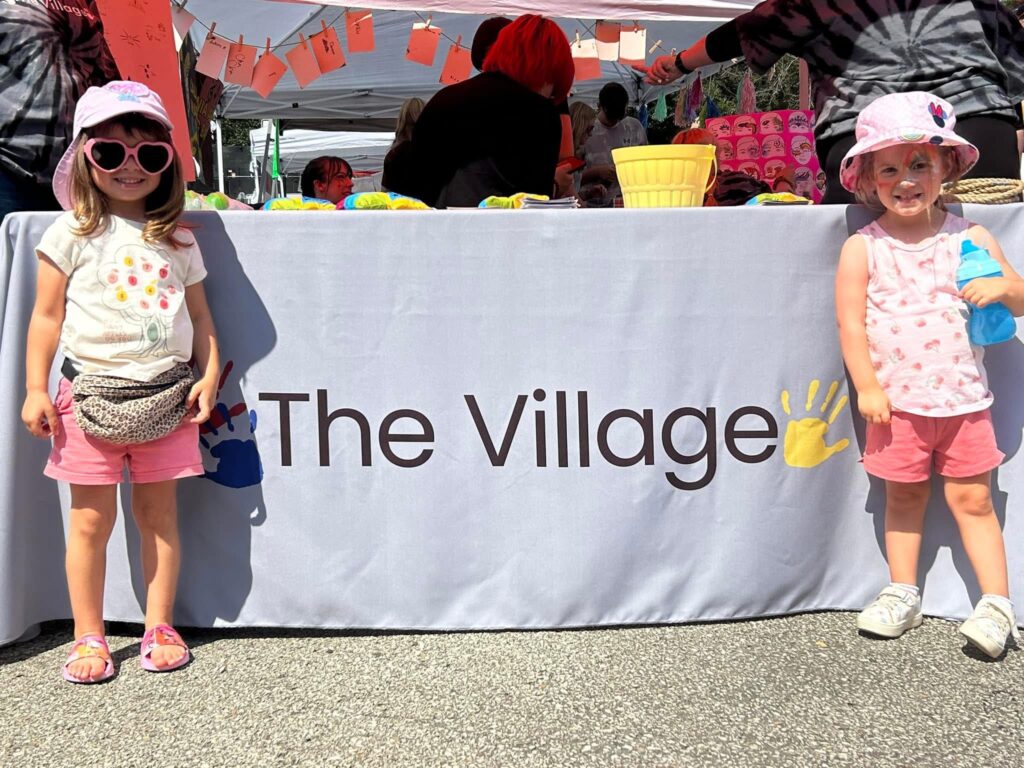
The Village Preschool puts kids’ health first—using EHCC tools to reduce toxins, improve air quality, and lead the way in safe, eco-friendly care.
Mosaic Montessori -January 2025 Spotlight

Mosaic Montessori blends eco-healthy care with sustainability—gardens, nature play, and green habits help kids thrive in a safer, healthier space.
Sunshine Kids, Inc – 84 -November 2024 Spotlight
Sunshine Kids, Inc – 84 protects kids with eco-healthy care—green cleaning, PVC-free toys, and smart upgrades keep children healthier and safer.
Microplastics: Erosion of Convenience
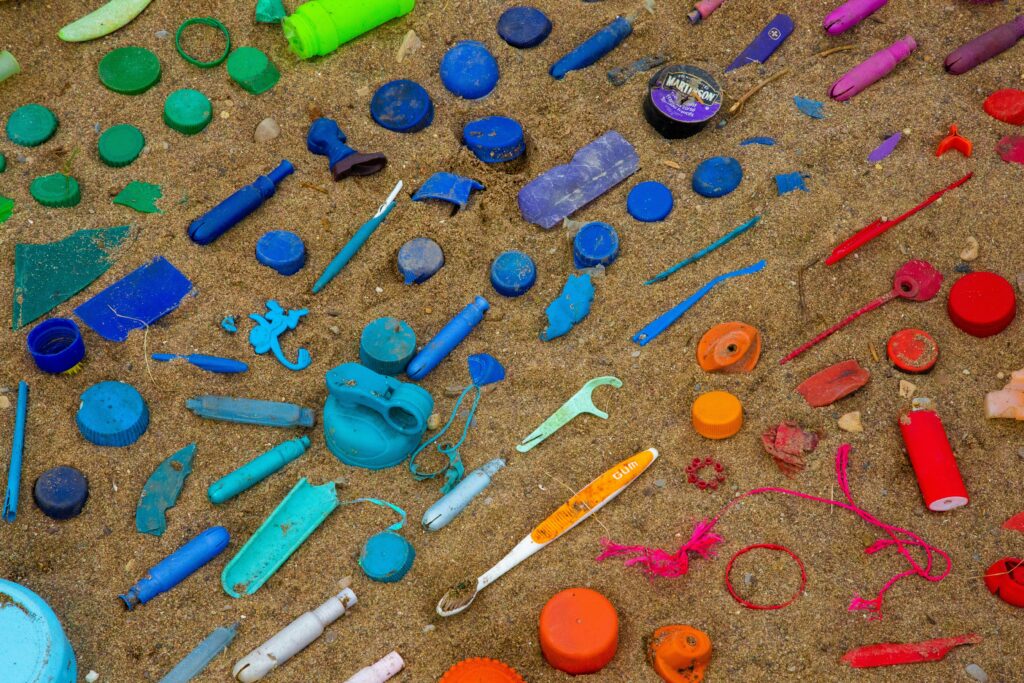
Microplastics are everywhere, even in our bodies. While we can’t avoid them entirely, small steps to reduce plastic use can help protect children’s health.