10 Acre Wood Preschool-April 2024 Spotlight
10 Acre Wood Preschool goes above & beyond for kids’ health—earning EHCC endorsement with eco-friendly upgrades, lead safety, & clean air efforts.

kristiet_a0o04rjz
on
July 16, 2024
10 Acre Wood Preschool goes above & beyond for kids’ health—earning EHCC endorsement with eco-friendly upgrades, lead safety, & clean air efforts.
kristiet_a0o04rjz
on
December 7, 2023
Protect kids from lead in water by ensuring full lead pipe replacements. Support stronger protections like the EPA’s new Lead and Copper Rule for safer drinking water
kristiet_a0o04rjz
on
December 1, 2023
Energy justice ensures all communities, especially those facing high energy burdens, have access to clean, affordable energy. Support clean energy for healthier kids
kristiet_a0o04rjz
on
November 9, 2023
Child care providers can protect kids from climate change by monitoring air quality, reducing pollution, and taking action to reduce risks. Learn more in our FAQ!
kristiet_a0o04rjz
on
October 25, 2023
Eco-Healthy Child Care® partners with state QRIS programs to promote eco-friendly practices in child care. Learn how to get endorsed for a healthier environment!
kristiet_a0o04rjz
on
September 27, 2023
Child care providers, test your water for lead! Several states offer funding for lead testing. Learn more and access the FREE Lead-Safe Toolkit in English & Spanish
kristiet_a0o04rjz
on
August 24, 2023
Eco-Healthy Child Care® Program Manager
In July 2023, the Environmental Protection Agency proposed strengthening requirements for removing lead-based paint dust in homes and child care facilities built before 1978.
The Environmental Protection Agency’s (EPA) proposed rule would require property owners or child care facilities to test for lead dust if a young child shows symptoms of lead exposure through a blood test or other similar measure. If a test confirms the presence of any level of lead dust, the property owners are required to pay for the cleanup. The rule would apply to facilities regularly used by children six or younger, including child care centers, family child care homes, and preschools.
Under the proposed EPA rule, any amount of lead dust on floors and window sills would qualify as “hazardous” and require abatement. The current “hazardous” standard is ten micrograms per square foot for floors and 100 micrograms per square foot for window sills.
If the EPA’s proposed rule is finalized, it would reduce exposure to lead for as many as 500,000 young children per year.
Lead is Harmful to Children’s Health
There is no safe level of lead for children. Lead can be found in the air, water, soil, and consumer products. Children are at high risk because their bodies are still developing, and their brains and nervous systems are more sensitive to lead’s harmful effects. These effects, including brain damage and loss of IQ, occur at low levels of exposure to lead sources often found in homes and child care facilities.
Environmental Justice Concerns
Communities that are majority low-income, Black, Brown, or Indigenous have higher rates of children with lead poisoning. This is due to U.S. racist housing policies (e.g., redlining), which lead to Black, Brown, Indigenous, or low-income families living in older, dilapidated housing.
Child Care Providers Need Support!
Protecting children and staff from lead hazards in child care settings is critical to providing safe and healthy spaces where children can thrive. Child care providers must also have support–financial and technical to eliminate lead paint and dust hazards in their facilities and homes. Without this type of support, providers are overburdened and under-resourced. North Carolina is an example of a state offering technical and financial support to child care providers to address lead hazards. The Clean Classrooms for Carolina Kids program reimburses child care centers and homes for the full cost of lead paint mitigation activities.
Take Action!
The EPA needs to hear from child care professionals. We invite you to submit a comment in support of this health-protective rule, known as Reconsideration of the Dust-Lead Hazard Standards and Dust-Lead Post-Abatement Clearance Levels. You can adapt text from this blog and submit it to the EPA.
Use this link to submit your comments to the EPA. Comments are due by October 2nd.
Note: Additional Tips for submitting comments to the EPA:
En julio de 2023, la Agencia de Protección Ambiental propuso fortalecer los requisitos para eliminar el polvo de pintura a base de plomo en hogares e instalaciones de cuidado infantil construidas antes de 1978.
La regla propuesta por la Agencia de Protección Ambiental (EPA, por sus siglas en inglés) requeriría que los dueños de propiedades o instalaciones de cuidado infantil realicen pruebas de polvo de plomo si un niño pequeño muestra síntomas de exposición al plomo a través de un análisis de sangre u otra medida similar. Si una prueba confirma la presencia de cualquier nivel de polvo de plomo, los propietarios deben pagar por la limpieza. La regla se aplicaría a las instalaciones utilizadas regularmente por niños de 6 años o menos, incluidos los centros de cuidado infantil, los hogares de cuidado infantil familiar y los centros preescolares.
Bajo la regla propuesta por la EPA, cualquier cantidad de polvo de plomo en los pisos y alféizares de ventanas calificarían como “peligroso” y requerirían reducción. El estándar “peligroso” actual es de 10 microgramos por pie cuadrado para pisos y 100 microgramos por pie cuadrado para alféizares de ventanas.
Si se finaliza la regla propuesta por la EPA, se reduciría la exposición al plomo para hasta 500,000 niños pequeños por año.
El plomo es perjudicial para la salud de los niños
No existe un nivel seguro de plomo para los niños. El plomo se puede encontrar en el aire, el agua, la tierra y los productos de consumo. Los niños corren un alto riesgo porque sus cuerpos aún se están desarrollando y su cerebro y sistema nervioso son más sensibles a los efectos nocivos del plomo. Estos efectos, incluyendo daño cerebral y pérdida del coeficiente intelectual, ocurren en niveles bajos de exposición a fuentes de plomo que se encuentran a menudo en hogares y centros de cuidado infantil.
Preocupaciones de justicia ambiental
Las comunidades que son en su mayoría de bajos ingresos, negras, marrones o indígenas tienen tasas más altas de niños con envenenamiento por plomo. Esto se debe a las políticas de vivienda racistas de Estados Unidos (por ejemplo, la línea roja), que llevan a que familias negras, morenas, indígenas o de bajos ingresos vivan en viviendas antiguas y deterioradas.
¡Las proveedoras de cuidado infantil necesitan apoyo!
Proteger a los niños y al personal de los peligros del plomo en los entornos de cuidado infantil es fundamental para proporcionar espacios seguros y saludables donde los niños puedan prosperar. Los proveedores de cuidado infantil también deben contar con apoyo financiero y técnico para eliminar los peligros de la pintura y el polvo con plomo en sus instalaciones y hogares. Sin este tipo de apoyo, los proveedores están sobrecargados y carecen de recursos. Carolina del Norte es un ejemplo de estado que ofrece apoyo técnico y financiero a los proveedores de cuidado infantil para abordar los peligros del plomo. El programa Clean Classrooms for Carolina Kids reembolsa a los centros de cuidado infantil y hogares el costo total de las actividades de mitigación de pintura con plomo.
¡Tomar acción!
La EPA necesita escuchar a los profesionales de cuidado infantil. Le invitamos a enviar un comentario en apoyo de esta regla de protección de salud, conocida como Reconsideration of the Dust-Lead Hazard Standards and Dust-Lead Post-Abatement Clearance Levels (Reconsideración de las normas de peligro de plomo-polvo y niveles de liquidación posterior a la reducción de plomo-polvo). Puede adaptar el texto de este blog y enviarlo a la EPA.
Utilizar esta enlace para enviar sus comentarios a la EPA. Los comentarios deben enviarse antes del 2 de octubre.
Nota: Consejos adicionales para enviar comentarios a la EPA:
kristiet_a0o04rjz
on
July 28, 2023
Protect kids during extreme heat! Train staff, check weather, ensure AC, and limit outdoor activities. Learn more about keeping children safe from heat-related illness.
kristiet_a0o04rjz
on
June 20, 2023
Science has brought to light many negative health and environmental impacts of pesticides.
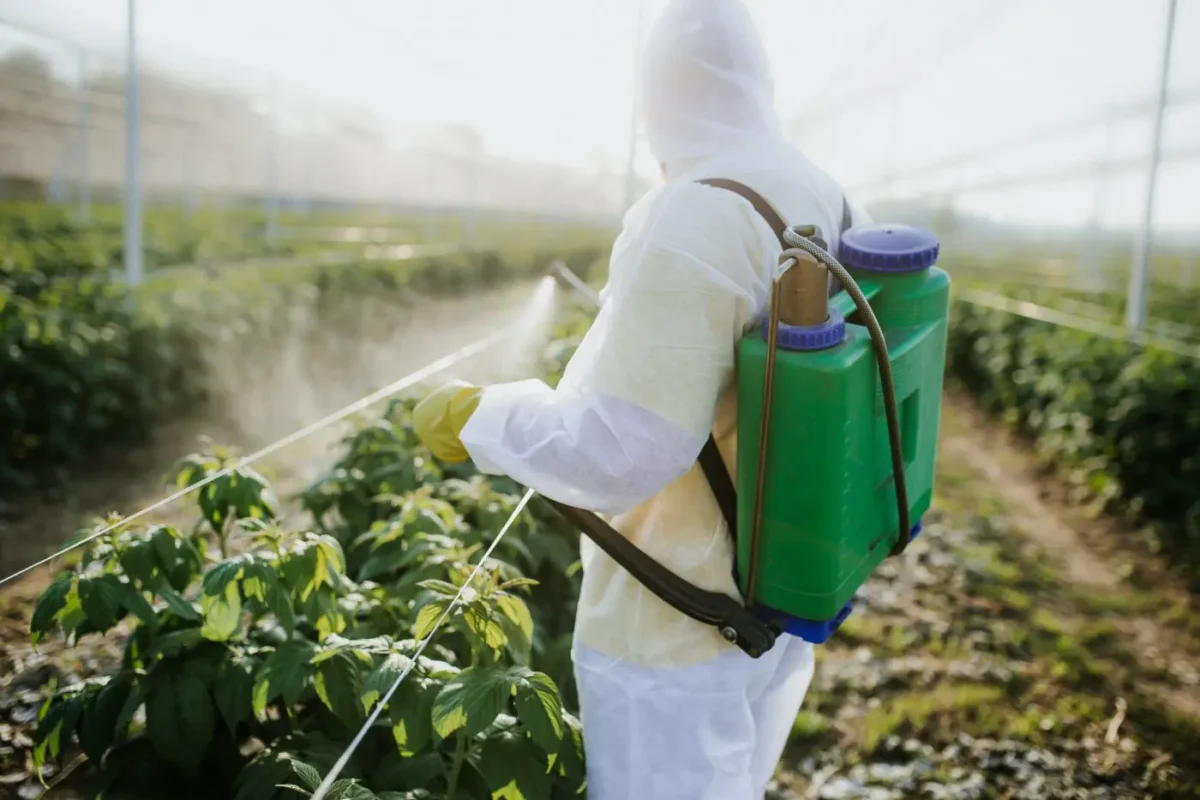
Summer is a time for outdoor activities and enjoying the warm weather. However, it is also a time when pesticides are widely used in landscaping and in and around homes and child care facilities. In this blog post, we will discuss the dangers of pesticide use and provide tips for controlling pests using safer methods.
Pest control methods have been used for thousands of years. However, the 20th century was the first time mass-produced synthetic pesticides were used on a large scale.
Pesticides are chemicals that kill or control pests, such as insects, weeds, and rodents. Their use can have harmful health and environmental impacts. Pesticide exposure occurs by breathing it, ingesting it through the mouth, and via absorption through the skin or eyes. These harmful chemicals can be found in our food, our air (e.g., pesticide drift from agricultural uses and spraying of parks, areas around homes, schools, and child care facilities), and water (e.g., pesticides can enter our groundwater and surface water via contaminated soil). Pesticides can also be tracked into homes or child care environments on shoes and clothing.
Exposure to pesticides can have serious health impacts, including:
Pesticides can also have harmful environmental impacts, including poisoning wildlife, contaminating water, killing beneficial insects (e.g., bees and ladybugs, which are important for pollination and natural pest control), and building up in the environment over time, leading to long-term contamination.
Safer Methods for Controlling Pests
Fortunately, there are safer methods for controlling pests. Here are some tips:
Reduce your exposure to pesticides in food by choosing organic produce whenever possible–especially for fruit and vegetables that contain higher amounts of pesticide residues.
Pesticide use can have harmful health and environmental impacts. Using safer methods for controlling pests, we can protect ourselves, our families, and the environment.
kristiet_a0o04rjz
on
May 15, 2023
The month aims to bring awareness to Alzheimer’s disease and brain health in general.
Neurobehavioral problems, like autism, attention-deficit hyperactivity disorder (ADHD), and dyslexia, affect about 10-15% of children born today. Genes play a role in some of these disorders – but only about 40% of the disorders can be accounted for by genes alone, so the environment plays a significant role in affecting brain health.
There is strong evidence of a connection between neurodevelopmental disorders in children and exposure to these chemicals: Lead, Methylmercury, Polychlorinated biphenyls (PCB), Arsenic, Chlorpyrifos and DDT (pesticides), polybrominated diphenyl ethers (flame retardants), Bisphenol-A, and Phthalates.
These brain-damaging chemicals are commonly found in our food, water, soil, paint, cleaning and personal care products, art supplies, furniture, toys, and many other everyday items.
The developing brain is extremely vulnerable to chemical exposures in utero and early childhood, and the negative effects can be lifelong. Chemicals can cause permanent brain injury at low levels of exposure in fetuses or young children that would have little adverse effect in an adult.
Eco-Healthy Tips to Reduce Exposure to Brain-Damaging Chemicals
Learn more about our eco-healthy best practices that can help protect brains in our checklist!
El mes tiene como objetivo crear conciencia sobre la enfermedad de Alzheimer y la salud del cerebro en general.
Problemas neuroconductuales, como el autismo,desorden hiperactivo y deficit de atencion (TDAH), y dislexia, afectan alrededor del 10-15% de los niños nacidos hoy. Los genes desempeñan un papel en algunos de estos trastornos, pero solo alrededor del 40% de los trastornos pueden explicarse solo por los genes, por lo que el medio ambiente juega un papel importante en afectar la salud del cerebro.
Hay fuerte evidencia de una conexión entre los trastornos del neurodesarrollo en niños y exposición a estos químicos: Plomo, methylmercury (metilmercurio), polychlorinated biphenyls- PCB (bifenilos policlorados), arsenic (arsénico), chlorpyrifos (clorpirifos) y DDT (pesticidas), polybrominated diphenyl ethers (éteres de difenilo polibromados) (retardantes de llama), Bisphenol-A (bisfenol-A) y phthalates (ftalatos).
Estos productos químicos que dañan el cerebro se encuentran comúnmente en nuestros alimentos, agua, tierra, pintura, productos de limpieza y cuidado personal, suministros de arte, muebles, juguetes y muchos otros artículos cotidianos.
El cerebro en desarrollo es extremadamente vulnerable a la exposición química en el útero y la primera infancia, y los efectos negativos pueden durar toda la vida.. Los productos químicos pueden causar lesiones cerebrales permanentes a bajos niveles de exposición en fetos o niños pequeños que tendrían pocos efectos adversos en un adulto.
Consejos ecosaludables para reducir la exposición a sustancias químicas que dañan el cerebro
¡Obtenga más información sobre nuestras mejores prácticas ecológicas saludables que pueden ayudar a proteger los cerebros en nuestra lista de verificación!